Article
Why AI Skills Are the Missing Piece in Enterprise Automation
Most AI tools today can draft an email, summarize a doc, or pull data from a database. That's useful. It's also table stakes.
The real gap isn't capability. It's context.
Most AI tools today can draft an email, summarize a doc, or pull data from a database. That's useful. It's also table stakes.
The real gap isn't capability. It's context.
Your best operators carry years of hard-won knowledge about how your business actually runs. They know which system to check first when a number looks off. They know the exceptions to every rule. They know the five-step process that lives in no documentation anywhere.
That expertise doesn't scale. It lives in people's heads, and when those people are busy, sick, or gone, the process breaks.
This is the problem most AI implementations miss entirely.
The Gap Between Smart and Useful
Generative AI gave us an incredibly capable assistant. It can write, reason, and retrieve information across massive datasets. But drop it into a real business workflow and it hits a wall almost immediately.
It doesn't know your process. It doesn't know which fields matter in your CRM, which exceptions require escalation, or how your team connects the dots across five different systems every day.
The result is a tool that's impressive in demos and frustrating in production.
What AI Skills Actually Solve
This is exactly the gap that AI Skills can close.
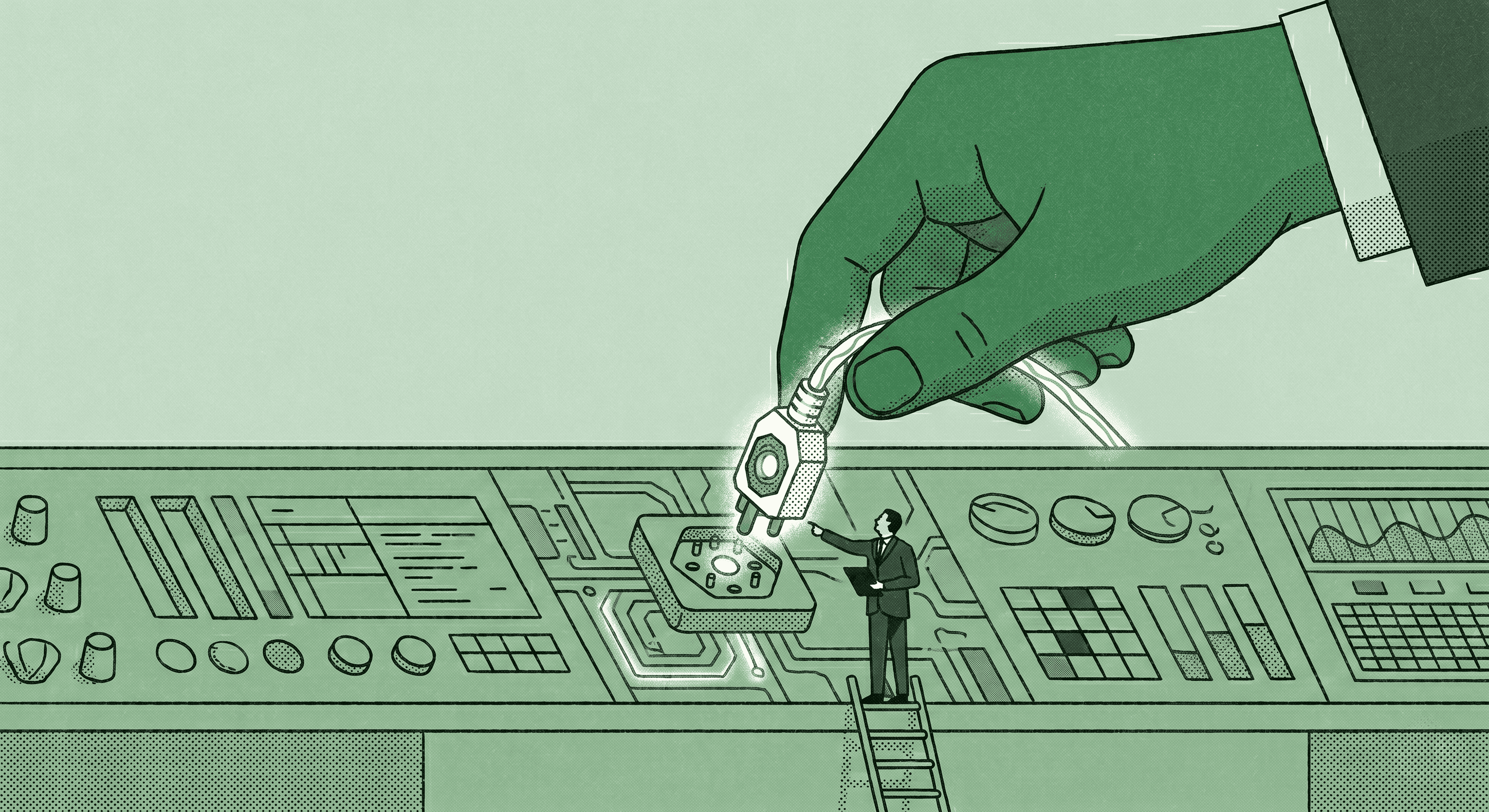
Instead of asking AI to figure out your process from scratch every time, you define it. The steps, the rules, the tools involved. Then the AI executes it consistently across your entire tech stack.
Think of it like this. A one-off prompt is asking a smart stranger to do your job. An AI Skill is training a reliable team member who follows your playbook every single time.
Why This Matters for Startups
If you're running a growing team, you already feel this pain. Every new hire means more onboarding. Every new tool means more manual steps between systems. Every process that lives in someone's head is a liability waiting to surface.
AI Skills flip this dynamic. Instead of scaling knowledge through people, you scale it through structured workflows that AI can execute repeatedly.
No more one-off prompts that produce inconsistent results. No more fragile automations that break when one field changes. Your best operator's knowledge, running at scale, 24/7.
The Bigger Picture
We're moving past the era of AI as a general-purpose chatbot. The next wave is AI that understands your specific business context and executes within it reliably.
That means defined processes, clear rules, and disciplined interfaces between AI and your existing systems.
The companies that figure this out first won't just save time. They'll build a genuine operational advantage that compounds over months and years.