
Article
Why Business Teams Don't Need IT to Start Automating Workflows
Workflow automation isn't just built by developers anymore. Business teams are already building their own AI-powered systems. If you're still waiting on IT to start automating your workflows, you're behind.
This isn't a prediction about some future state. It's happening right now across startups and enterprises of every size.
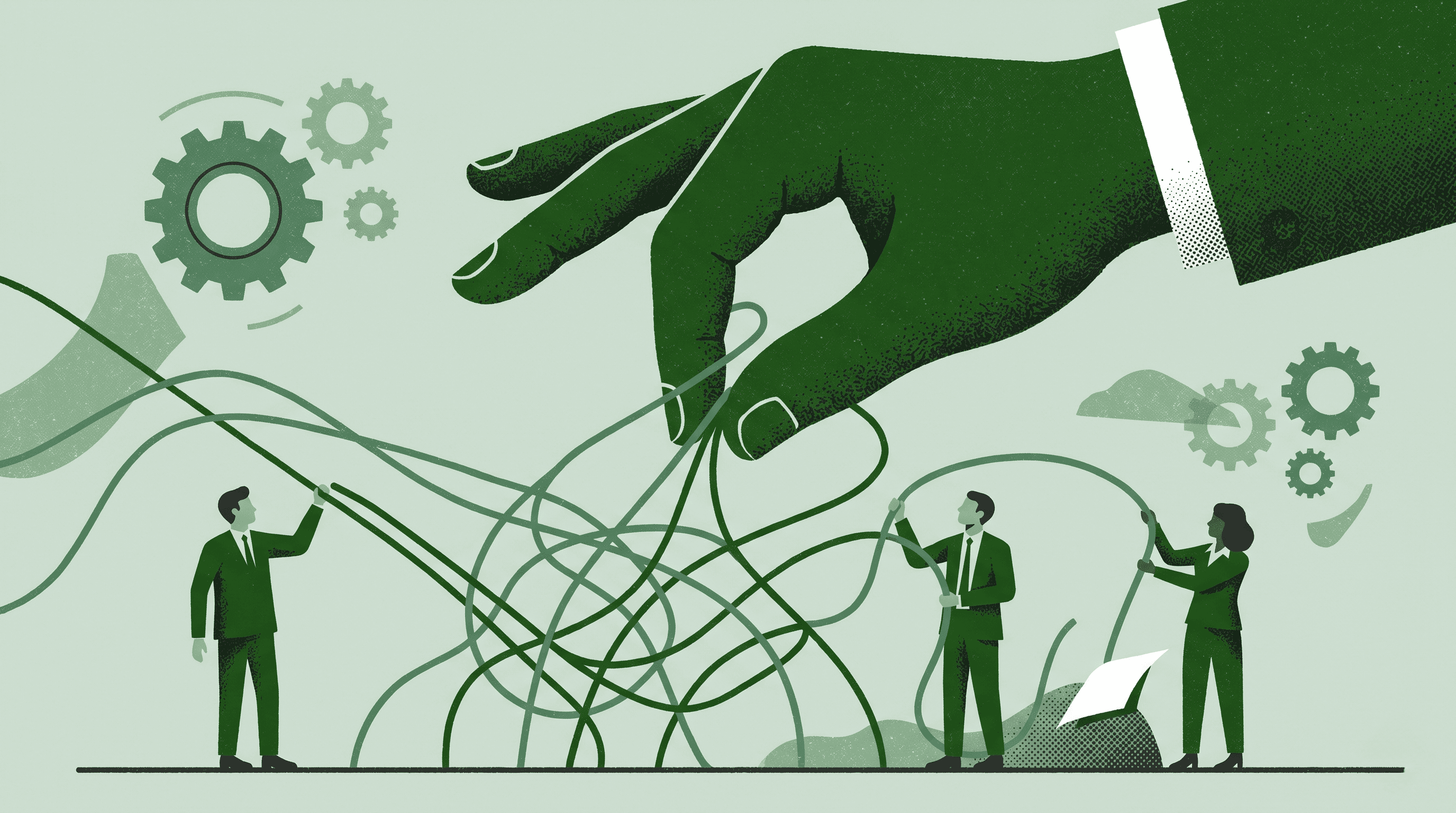
Workflow automation isn't just built by developers anymore. Business teams are already building their own AI-powered systems. If you're still waiting on IT to start automating your workflows, you're behind.
This isn't a prediction about some future state. It's happening right now across startups and enterprises of every size.
The Shift in Who Builds Automation
For years, automation was trapped behind a technical wall. You needed engineering resources, long project timelines, and budget approval that could take months. Business teams would identify a broken process, submit a ticket, and wait. Sometimes weeks. Sometimes quarters. Sometimes forever.
Today, no-code and low-code AI platforms are putting the power to automate directly into the hands of operators and subject matter experts. The people who actually understand the process are now the same people who can fix it.
No coding. No bottlenecks. No waiting on project timelines that never seem to end.
Anyone can now build, test, and deploy their own workflows using natural language and visual builders. No engineering degree or automation certification required.
What This Actually Looks Like in Practice
Teams are extracting, analyzing, and operationalizing data from any source in minutes instead of months. Text documents, images, database records, PDFs, emails. The format doesn't matter anymore. The tools handle the complexity.
The results are tangible. Teams are completing work faster. They're generating audit-ready outputs that meet compliance requirements. They're integrating seamlessly with existing systems without creating technical debt.
Compare that to the old way of doing things. Endless email chains. Manual data entry. "Innovation" projects that never leave the pilot phase. Months of requirements gathering for a workflow that could be built in an afternoon.
The new way is business users taking control. Automating the knowledge work that eats up their time. Driving real transformation in their own processes without filing a single support ticket.
Meanwhile, IT finally gets to focus on the infrastructure work that actually requires engineering expertise instead of building simple data-moving workflows for every department.
Why This Matters for Growing Startups
If you're running a team of 10 to 50 people, this shift is especially relevant. You probably don't have a dedicated automation engineer. You might not even have a full IT team. The bottleneck between "we should automate this" and "this is automated" has traditionally been talent and time.
That bottleneck is disappearing. The operators who understand your sales process, your onboarding flow, and your reporting requirements can now build the automations themselves. They know the edge cases. They know the workarounds. They know exactly where the manual steps are hiding.
When the person who owns the process also builds the automation, you get better workflows. Faster. With fewer iterations needed to get it right.
The Real Opportunity
The companies that move fastest right now aren't the ones with the biggest engineering teams. They're the ones that empower their operators to build solutions directly.
If you're tired of waiting for someone else to fix your broken processes, the tools are available today. The question isn't whether your team can automate. It's whether you'll start now or keep waiting while competitors move ahead.