
Article
Why Human-in-the-Loop AI Is the Real Advantage in Venture Capital
AI can crunch numbers at scale. It can process pitch decks, analyze financial data, and surface patterns across hundreds of deals faster than any human team.
What it can't do is spot unicorns.
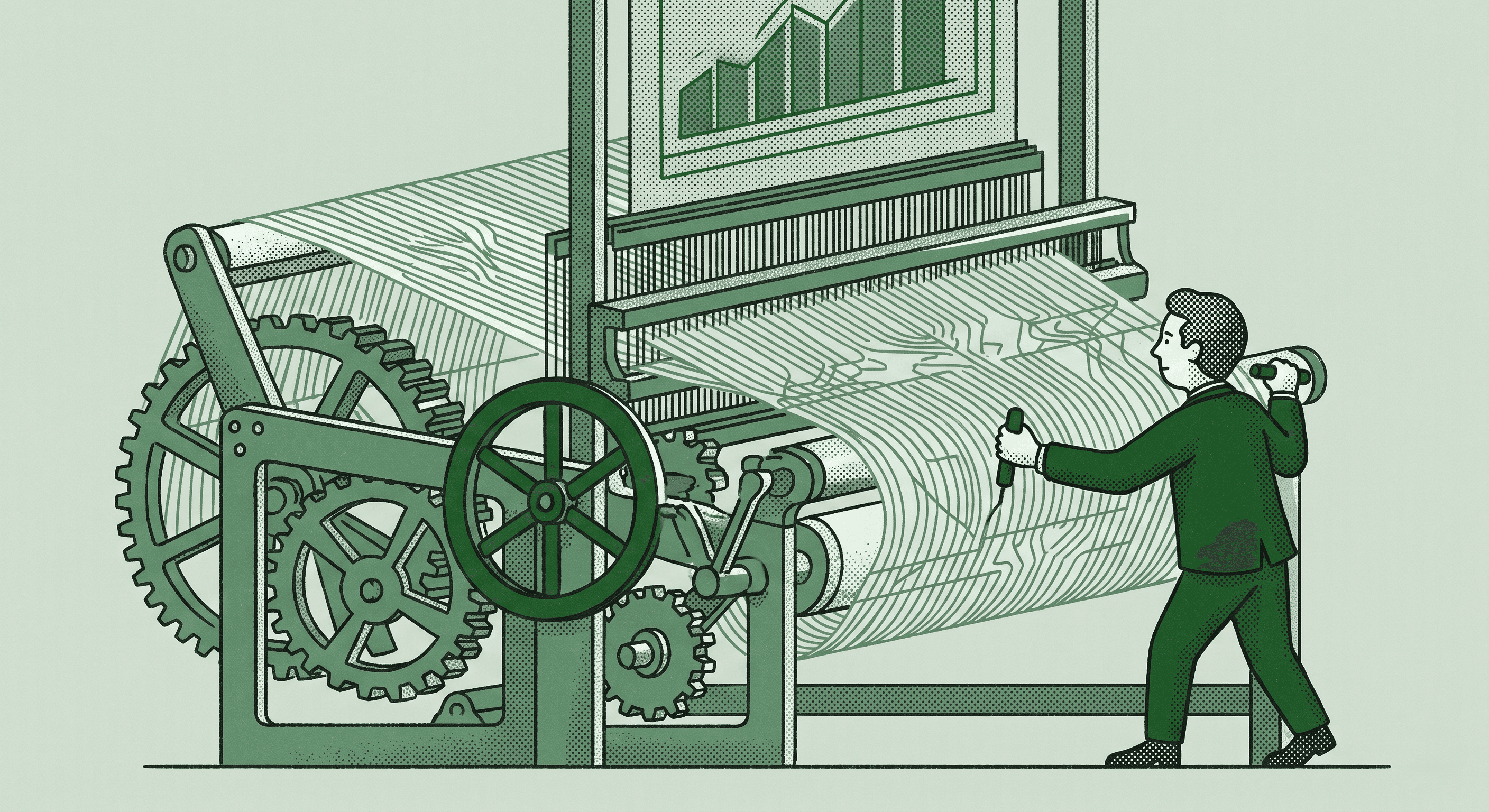
Investment decisions are messy, nuanced, and packed with context that no algorithm can fully grasp on its own. The founder's conviction in a meeting. The market timing that feels right based on years of pattern recognition. The team dynamics that signal whether a company will execute or implode.
This is why the smartest VC teams aren't choosing between AI and human judgment. They're combining them.
The Human-in-the-Loop Approach
Human-in-the-loop AI keeps humans at the center of the decision-making process while using AI to handle the operational heavy lifting.
In practice, this means AI handles the data extraction and analysis. It processes documents, pitch decks, financial statements, and market data. It structures information into consistent formats so analysts can compare deals apples to apples. It flags anomalies and surfaces patterns across the portfolio.
Humans handle the judgment calls. Context checks, relationship dynamics, market intuition, and the qualitative factors that separate a good investment from a great one. The analyst reviews what the AI produced, adds their expertise, and makes the final call.
The AI doesn't replace the analyst. It gives the analyst superpowers.
Why This Beats Pure Automation
Fully automated investment analysis sounds appealing in theory. In practice, it produces three problems that matter enormously in venture capital.
First, black box decisions. When an algorithm recommends passing on a deal, you need to understand why. Investors owe their LPs transparency, and "the model said so" isn't an acceptable answer. Human-in-the-loop workflows produce traceable, auditable decisions where every input and every reasoning step is visible.
Second, missing context. AI excels at processing structured data. It struggles with the unstructured, relationship-heavy context that drives venture decisions. A human in the loop catches the things the model can't see.
Third, no learning feedback. The most powerful aspect of human-in-the-loop systems is that they get smarter over time. When analysts provide feedback on AI outputs, correct mistakes, and flag missed signals, the system learns from that expertise. Every deal reviewed makes the next analysis better.
What This Looks Like in Practice
A modern VC workflow with human-in-the-loop AI might work like this.
AI ingests a new pitch deck and supporting documents. It extracts key metrics, compares them against industry benchmarks, and generates a structured deal summary in a consistent template. It flags areas that need deeper investigation based on historical patterns.
The analyst reviews the summary. They add context from their conversations with the founders, their knowledge of the competitive landscape, and their instinct about market timing. They approve, modify, or override the AI's assessments.
The system logs everything. The original analysis, the human modifications, and the final decision. Over time, this feedback loop trains the AI to better align with the firm's investment thesis and decision-making patterns.
The Cost of Staying Manual
If you're still relying entirely on manual review or siloed tools, you're not just working slower. You're leaving better deals on the table.
The firms using human-in-the-loop AI can evaluate more deals, faster, with more consistency. They catch signals that manual processes miss. They make better-informed decisions because they have better-structured data supporting every judgment call.
The technology isn't replacing investors. It's making the best investors even better.